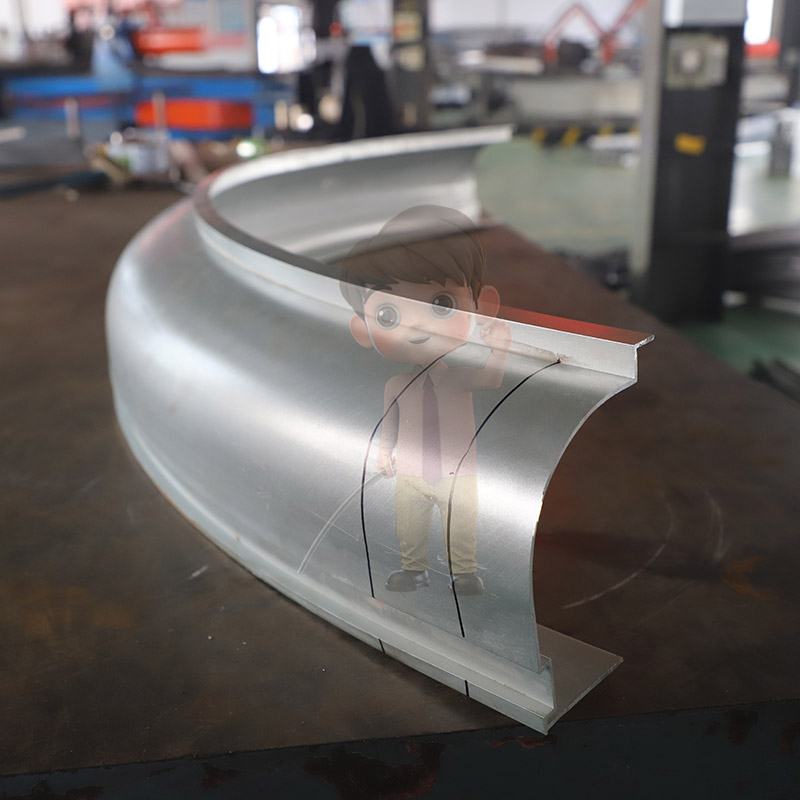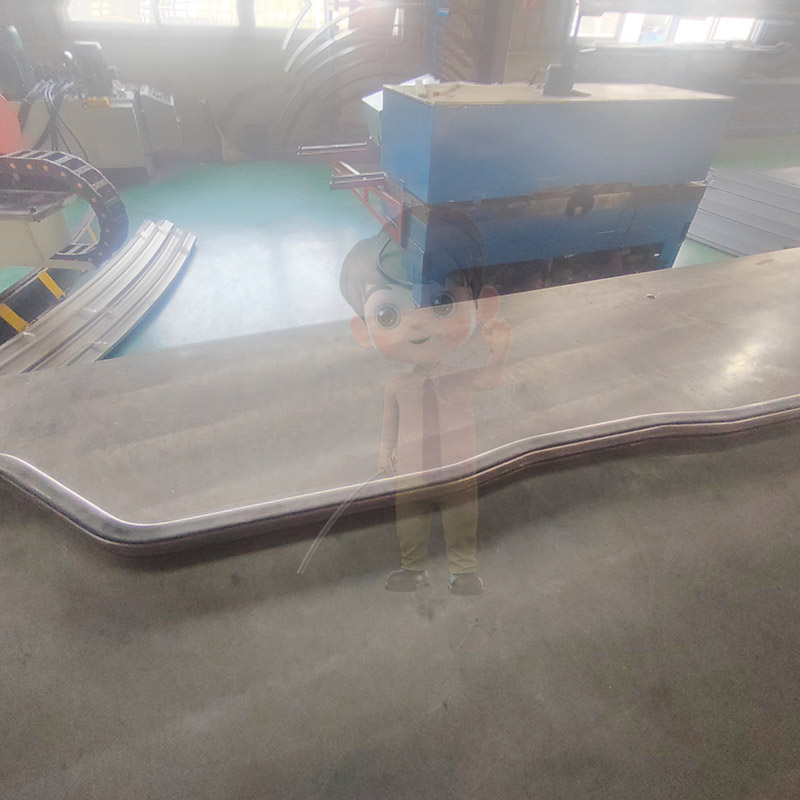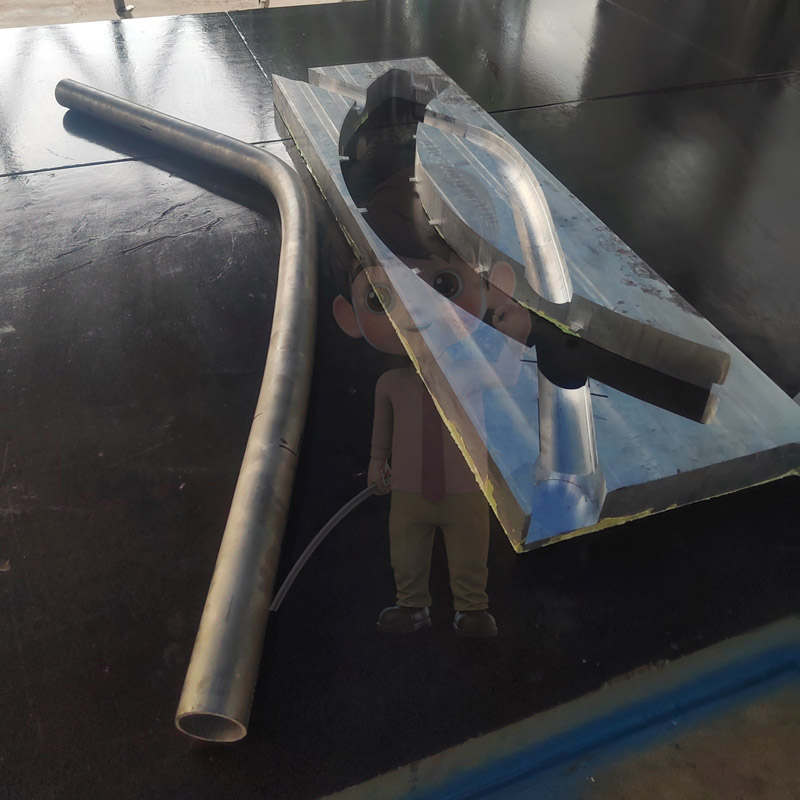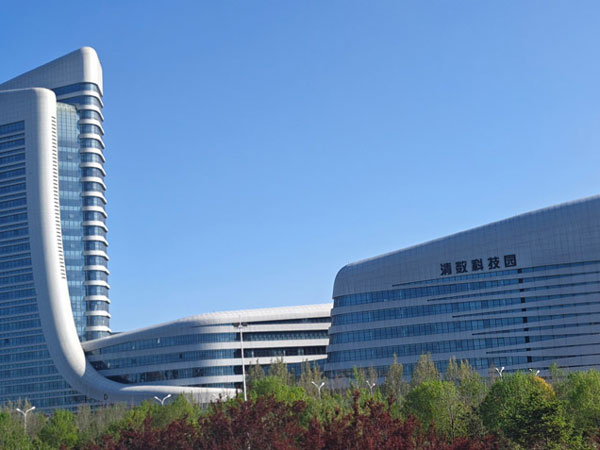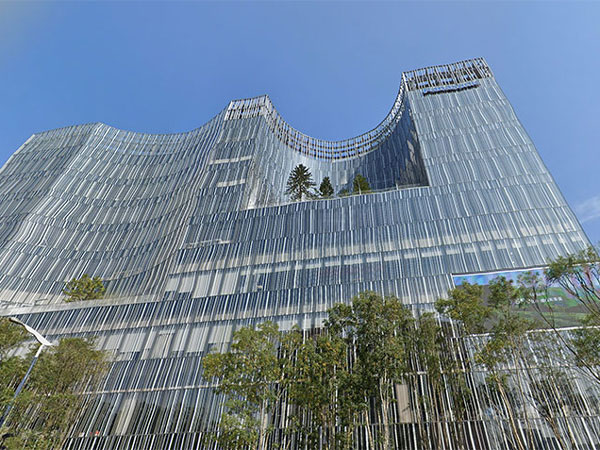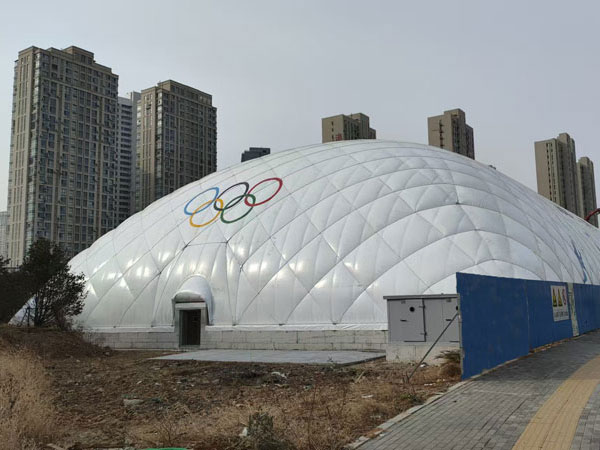
Modern architecture increasingly incorporates curved lines, smooth contours, and customized geometric designs. From elegant arched windows to curved entrance doors and distinctive curtain wall systems, these designs require metal profiles that can be formed accurately without compromising structural performance or appearance. High-quality metal profile bending is therefore an important part of manufacturing architectural doors and windows.
Metal profile bending transforms straight sections into precise curves according to specific design requirements. Compared with conventional straight-frame construction, bent profiles can create more distinctive visual effects while allowing architects and designers greater freedom in developing building facades and interior spaces.
Precision Bending for Architectural Applications
Architectural doors and windows often require strict dimensional accuracy. Even a small deviation in the bending radius or profile shape can affect frame assembly, glass installation, sealing performance, and the overall appearance of the finished product.
Professional stretch bending and other precision bending techniques can help maintain a consistent curve throughout the profile. During processing, factors such as material properties, profile geometry, bending radius, and required tolerances need to be carefully considered.
For customized projects, bending parameters can be developed according to engineering drawings, CAD files, samples, or specified dimensions. This allows manufacturers to produce curved profiles that correspond closely to the requirements of the final architectural system.
Aluminum Profile Bending for Doors and Windows
Aluminum is widely used in architectural doors and windows because of its lightweight structure, corrosion resistance, attractive appearance, and suitability for different surface finishes. However, forming aluminum extrusion profiles into smooth curves requires appropriate equipment and process control.
Custom aluminum profile bending can be used for curved window frames, arched door systems, rounded partitions, skylights, and various facade applications. Depending on the design, profiles can be processed into different radii and shapes while maintaining their functional characteristics.
For projects involving complex curves, it is important to evaluate the cross-sectional geometry of the aluminum extrusion before production. Some profiles are more suitable for bending than others, and early technical assessment can help reduce deformation, twisting, or surface defects.
Stretch Bending Technology
Stretch bending is one of the commonly used methods for producing accurate curved metal profiles. In this process, the profile is placed under controlled tension while bending force is applied to form the required radius.
The controlled tension helps reduce unwanted deformation and can contribute to a more uniform final shape. This makes the process suitable for architectural profiles where both dimensional accuracy and visual quality are important.
Before mass production, manufacturers can review the required bending radius, profile dimensions, material grade, and surface treatment. Prototype processing or sample verification can also help confirm that the selected bending method meets the project requirements.
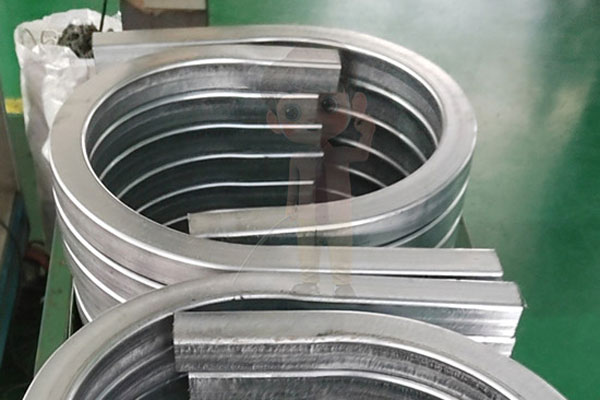
Customized Solutions for Different Building Designs
Every architectural project can have different requirements. Some buildings may use gentle curves across long profiles, while others may require tight radii or multiple curved sections. Standard processing solutions may therefore not be suitable for every application.
Customized metal profile bending can accommodate different profile sizes, materials, radii, and production quantities. Manufacturers can work from technical drawings or project specifications to determine suitable tooling and processing methods.
Curved profiles are commonly used in:
Curved aluminum doors
Arched window frames
Rounded curtain walls
Circular facade structures
Skylight systems
Curved partitions
Commercial building entrances
Hotel and office facade systems
Residential architectural windows
Decorative metal structures
Surface Quality and Finishing
Appearance is especially important for architectural metal components. After bending, profiles may receive anodizing, powder coating, PVDF coating, polishing, or other surface treatments depending on the material and project requirements.
The bending process should be carefully controlled to minimize scratches, dents, wrinkles, and other visible defects. Proper handling before and after bending is equally important, particularly when the finished profiles will be used in high-visibility areas.
For projects requiring premium architectural finishes, it is advisable to consider the relationship between bending and subsequent surface treatment during the early design stage.
Quality Control During Production
Reliable quality control is essential for custom metal profile bending. Inspection can include checking the bending radius, overall dimensions, profile alignment, surface condition, and consistency between production batches.
For larger architectural projects, sample approval before full-scale production can provide an additional opportunity to verify dimensions and appearance. Production records and inspection procedures can also help maintain consistency throughout the manufacturing process.
A professional supplier should understand that the quality of a curved profile is not determined by bending accuracy alone. Material selection, tooling, machine setup, handling, finishing, packaging, and transportation can all influence the final result.
Choosing the Right Bending Partner
When selecting a metal profile bending supplier, buyers should consider technical capabilities rather than focusing only on price. Experience with architectural profiles, available bending equipment, material processing capabilities, quality control procedures, and customization services are all important factors.
It is also useful to discuss the project requirements in advance, including profile drawings, material specifications, bending radius, tolerances, surface finish, quantity, and delivery schedule. Clear technical communication can help prevent misunderstandings and improve production efficiency.
A capable manufacturer can also identify potential design or processing issues before production begins and recommend adjustments when necessary. This can be particularly valuable for complex curved architectural systems.
High-quality metal profile bending provides architects, contractors, and door and window manufacturers with greater flexibility when developing curved architectural structures. With accurate processing, suitable materials, controlled bending techniques, and reliable quality inspection, straight metal profiles can be transformed into smooth and functional curved components.
Whether the project involves custom aluminum window frames, curved entrance doors, curtain walls, skylights, or other architectural structures, professional profile bending can help achieve both aesthetic and technical requirements. By combining advanced bending technology with careful engineering and quality control, manufacturers can provide customized solutions for modern architectural designs.